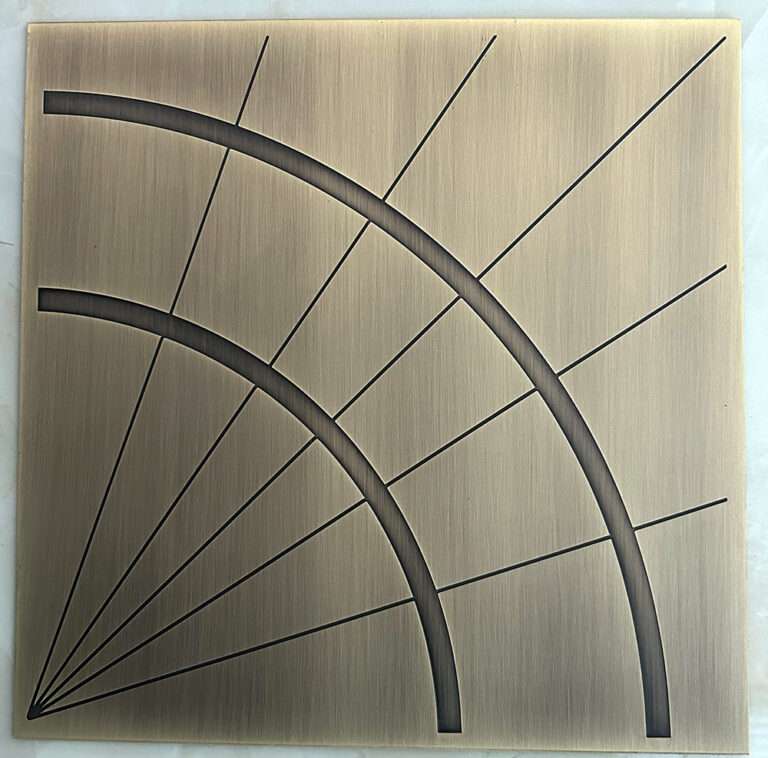
etching bronze brass

brass etching solution

Brass Etching Solution Welcome to Golden Eagle, your trusted source for brass etching solutions. Whether you are a professional or a hobbyist, we offer the right products to help you create stunning designs on brass surfaces. What is Brass Etching?Brass etching is a process where a chemical solution removes parts of the brass surface to […]

Brass Etching Solution

Welcome to Golden Eagle, your trusted source for brass etching solutions. Whether you are a professional or a hobbyist, we offer the right products to help you create stunning designs on brass surfaces.

What is Brass Etching?
Brass etching is a process where a chemical solution removes parts of the brass surface to create a design or pattern. This technique is popular for making decorative items, nameplates, and intricate artworks.

Our Brass Etching Solution
At www.chemicaletch.com, we provide a high-quality brass etching solution that ensures clean and precise results. Our solution is easy to use and suitable for various applications, whether for small projects or large-scale production.

Why Choose Our Etching Solution?

  • Easy to Use: Our brass etching solution is simple to apply, making it perfect for both beginners and experts.
  • High Precision: Achieve detailed and sharp designs with our carefully formulated solution.
  • Safe and Reliable: We prioritize safety and provide clear instructions to ensure you use the product correctly and safely.

Different Chemicals for Different Products

  • PCB Products: For PCB etching, we recommend using a combination of cupric chloride and ammonia. This mixture is ideal for removing unwanted copper and creating precise circuit patterns.
  • Artistic Etching: For etching decorative or artistic items, ferric chloride is commonly used. This chemical works well for achieving detailed and intricate designs on brass surfaces.
How to Use the Brass Etching Solution

  1. Prepare the Brass Surface: Clean the brass surface thoroughly to remove any dirt or grease. This ensures the etching solution works effectively.
  2. Apply the Design: Use a resist material to cover the areas you do not want to etch. This could be a stencil, tape, or specialized resist paint.
  3. Spray the Etching Solution: Use chemical etching machine to spray the brass etching solution to the exposed areas. Follow the instructions on the product for the best results.
  4. Rinse and Finish: After the desired etching time, rinse the brass thoroughly with water to stop the etching process. Remove the resist material and clean the brass to reveal your design.

Get Started Today
Explore our range of brass etching solutions at www.chemicaletch.com. Whether you are looking to create personalized gifts or professional-grade products, our solutions will help you achieve outstanding results. Contact us for more information or assistance with your etching projects.

Choosing a brass etching solution

See the step-by-step detail and FAQ below. >Brass is one of the most widely photo etched materials because it is easy to etch, takes a clean finish, and has the warm golden colour that makes it the traditional choice for nameplates, plaques and decorative work. The solution itself, however, is not a one-size-fits-all choice.

The two most common etchants for brass are ferric chloride and cupric chloride. Both work, and they behave differently. Ferric chloride is the faster of the two on most brasses and is available cheaply in a range of concentrations, but the etched surface can carry a slightly heavier residue that needs a more thorough rinse. Cupric chloride is gentler and leaves a very clean surface, and many people find it more controllable on thin material.

Because brass is a copper-zinc alloy, the etch rate and the surface appearance vary with the zinc content. Cartridge brass, which has a higher zinc content, etches faster and can show a slightly different colour than the harder copper-rich alloys such as phosphor bronze. That difference is why the material grade should be specified on the drawing.

For material that must stay bright, a short etch and a fast rinse matter more than anything else. Longer exposure in a hot bath will darken brass noticeably, and the etching operation itself is what removes that surface, so it cannot be polished back without losing the very finish that was wanted.

The practical recommendation is to settle the material grade and the finish in the specification, and to approve a first article before the batch is released. Colour and gloss on brass are difficult to judge from a drawing, and a first article removes that uncertainty completely.

Frequently asked questions

Which etchant should I use for brass?

Ferric chloride for speed and low cost, or cupric chloride for a cleaner surface and gentler control on thin material. For decorative work where the finish has to stay bright, keep the etch short and the bath temperature stable.

Does the brass grade affect the etched appearance?

Yes. Brass is a copper-zinc alloy, and the zinc content changes both the etch rate and the resulting colour. Cartridge brass etches faster than the harder copper-rich alloys, so the grade should be specified on the drawing if colour consistency matters.

Why has my etched brass darkened after etching?

Exposure in a warm bath oxidises and darkens the surface, and etching is what removed that layer, so it cannot be polished back without losing the finish. The fix is process control rather than post-treatment: a shorter etch, a stable bath temperature and a fast rinse.

Can you fill the etched characters with paint?

Yes. Recessed characters can be filled with paint or enamel for high contrast, which is the usual approach on brass. Tell us the colour reference and we can supply a filled sample for approval.

Leave a Comment

Your email address will not be published. Required fields are marked *

Scroll to Top